
CLINICALLY-GOVERNED AI

See risk coming before it becomes a crisis

Trained on two decades of home-monitoring data, our models flag the patients most likely to deteriorate, so care teams can intervene before an admission. Governed by clinicians, proven against control groups.

AI that guides clinicians to the right patient

Clinical attention is the scarcest resource in any care program. Our models rank who needs it most, so teams can cover more patients without missing those most at risk.

Trained on real outcomes

Models learn from the outcomes of patients we’ve cared for since 2002: admissions, ED visits, and recoveries. Predictions come from what happened to real patients in the populations you serve.

Built into the workflow

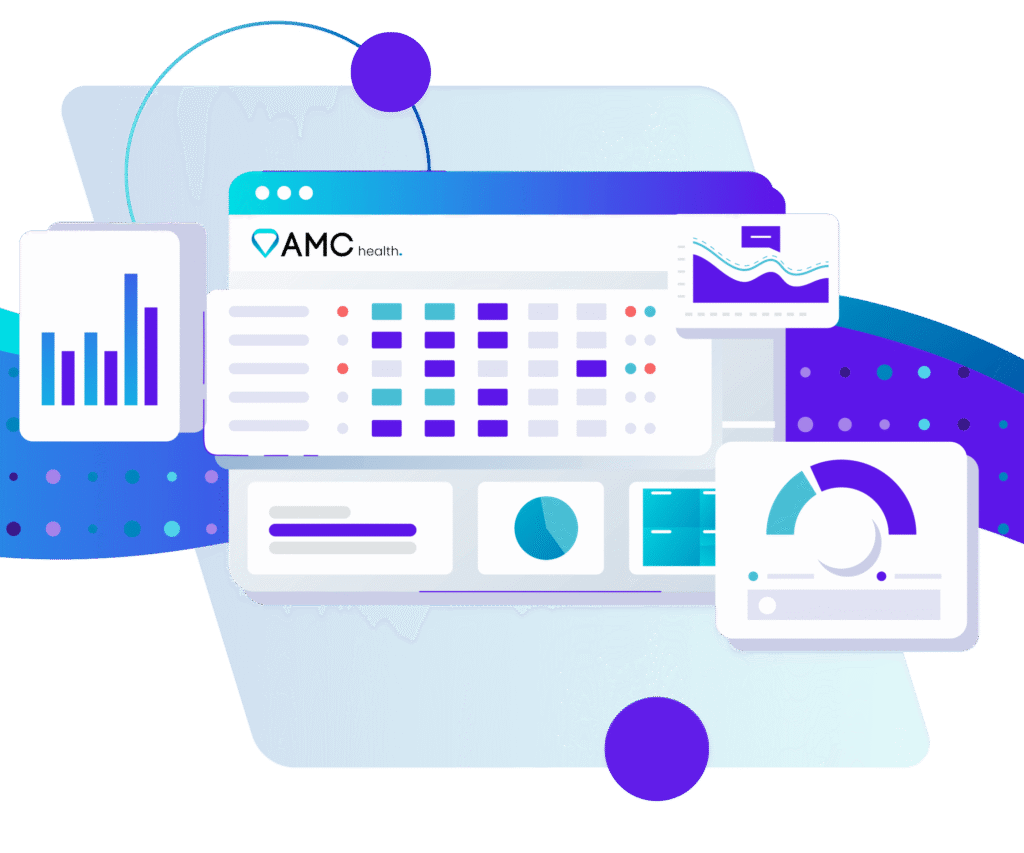
Care teams start each day with every patient ranked by likelihood of deterioration and the reasons behind it. No separate dashboard, nothing added to a clinician’s day except the right patient.

Governed like a clinical tool

Validated before use, monitored for drift, and checked for performance across patient groups. The model your clinicians rely on is one a medical director can stand behind, and keep standing behind.

The models behind the intelligence

Models predict who is most likely to deteriorate, prioritizes readings that need attention, and recommends the intervention most likely to work. Together they turn a constant stream of home readings into a short list worth a clinician’s time.

Risk Score

Scores every monitored patient by likelihood of deterioration, so care teams can reach them before admission.

Intelligent Alerting

Prioritizes the readings that signal real change from the ones that don’t, so clinicians can focus on what matters.

Agentic AI

Gathers context behind each flagged patient and queues the next step within guardrails the clinical team sets.

Prescriptive Analytics

Draws on two decades of outcomes to recommend the intervention most likely to work for each patient.

Outcomes, measured against controls

Every outcome comes from programs built on these models and measured against control groups, not benchmarks or projections. What changed for patients, for care teams, and for the cost of care.

0 %

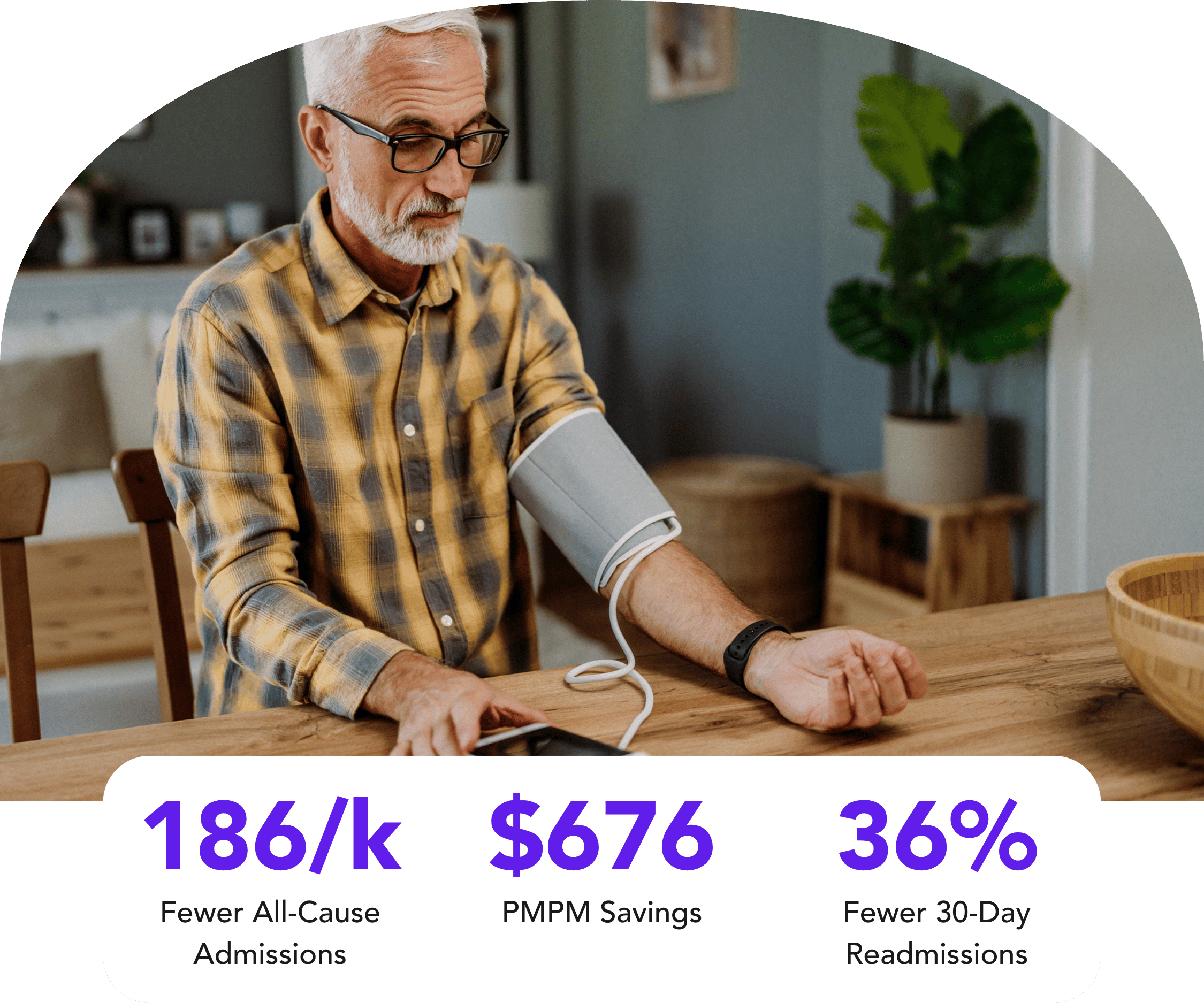
Fewer 30-Day Readmissions vs. Matched Controls

0 %

Lower Total Cost of Care vs. Matched Controls

0 x

Return on Investment

0 +

Matched Control Patients Across Two Control Arms
Clinical oversight, built in

AMC’s clinical leadership sets the thresholds. The team monitors models for drift and checks performance across patient groups. Every ranking can be explained, and any clinician can override it. Oversight isn’t a review after the fact, it’s how the models run.

Fewer admissions, one patient at a time

The signs of an avoidable admission show up days ahead, in changes too small to trip a fixed threshold: a few pounds, a lower oxygen reading, a blood pressure that keeps climbing. Our models recognize the pattern, move the patient to the top of a nurse’s list, and trigger a call that day. The care plan is adjusted the same day, and the admission never happens.

OBSERVATIONAL STUDY

Fewer heart failure readmissions, lower cost of care, for a national Medicaid plan

A national managed Medicaid plan used AMC Health’s risk models to select the members with Stage II+ heart failure most likely to benefit from home monitoring, then added nurse care management in four states. Against propensity-matched members who weren’t enrolled, program members were readmitted less often and cost the plan 20% less over the program year. Retrospective analysis of claims data, 2021 to 2022.